
-
Jl. Margasatwa No.111 Pondok Labu
Jakarta Selatan 12450 Indonesia -
Phone: (+62) 21 750 33 55
Fax: (+62) 21 750 46 77
Article at The Green Project Blog
A collection of stories about our impact, our innovations, our research, and the evolving landscape of sustainable investing.
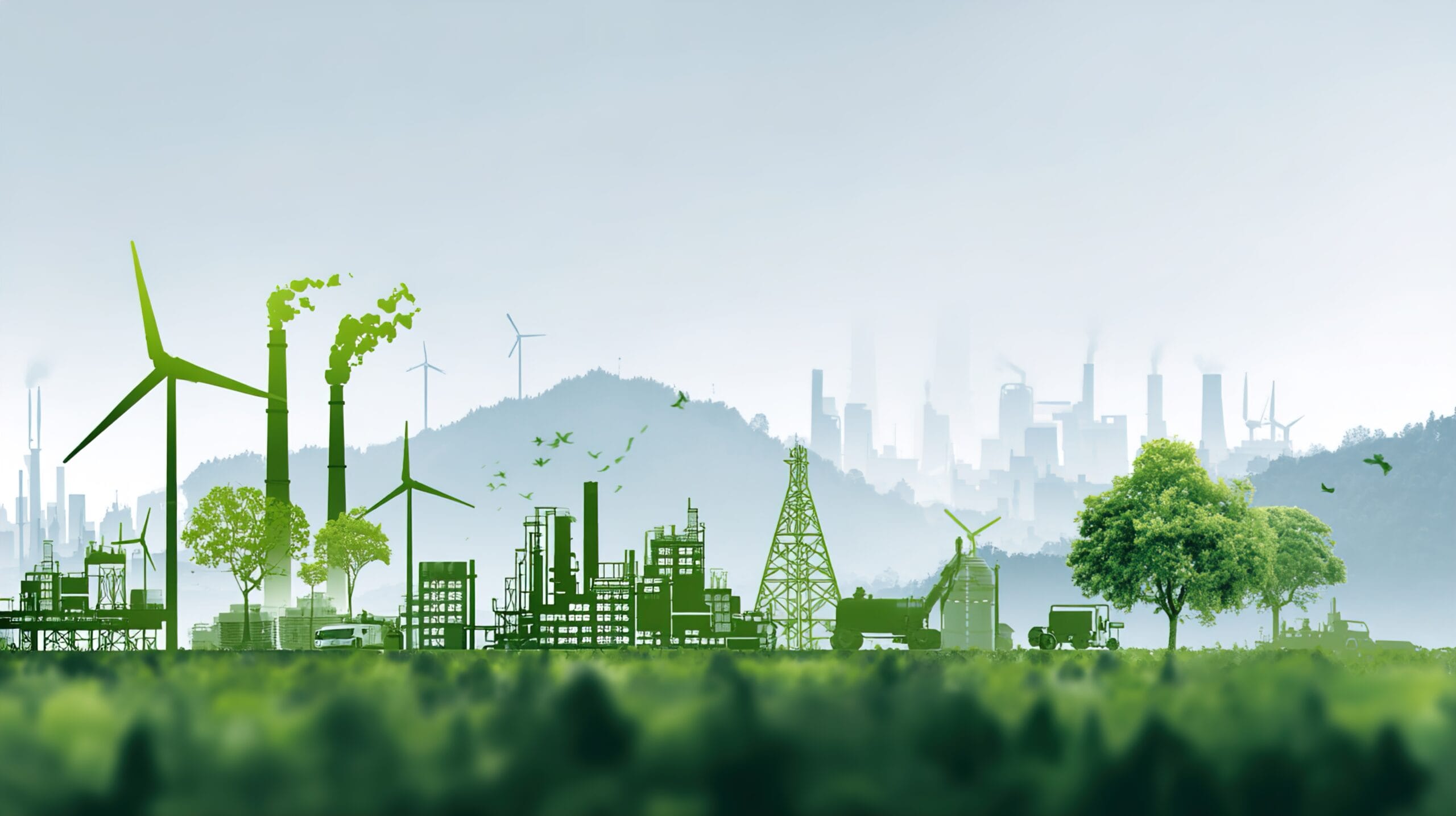
Indonesia has one of the largest renewable energy markets in Asia. The country has abundant sunlight, rivers, agricultural waste, and other natural resources that can be used to generate cleaner energy. Indonesia’s 2025–2034 electricity plan also targets 69.5 GW of additional generation and storage capacity. This creates significant opportunities for renewable energy investment in Indonesia.
However, choosing an investment is not as simple as selecting the technology with the greatest potential. Solar, hydropower, and biomass projects have different costs, development periods, operational needs, and risks. Investors must understand these differences before deciding where to place their capital.
Solar Power: Fast Development and High Flexibility
Solar power is often considered the easiest technology to develop. A solar project can range from a small rooftop installation to a large utility-scale power plant. This flexibility allows investors to choose projects that match their preferred investment size. Solar panels are also widely available, and construction is generally faster than for hydropower or biomass facilities.
These qualities can make solar an attractive starting point for renewable energy investment in Indonesia. A shorter construction period means the project may begin generating revenue sooner. Solar projects can also be developed across several locations, allowing investors to spread their risk instead of depending on one large asset.
Still, solar power has limitations. Electricity generation depends on sunlight and weather conditions. A project may produce less power during cloudy periods or the rainy season. It may also face delays if the grid is not ready to receive the electricity. Large solar farms need suitable land, while rooftop projects depend on the financial strength and electricity demand of the building owner.
Battery storage can make solar power more reliable, but it increases the project’s cost. Investors must therefore assess whether the expected electricity production, tariff, and contract terms can support the required ROI renewable energy. Solar can play an important role in the clean energy transition, but a fast construction schedule alone does not make a project financially attractive.
Hydropower: Long-Term Infrastructure and Stable Cash Flow
Hydropower offers a different investment profile. Once a hydro plant is operating, it can generate electricity for many years with relatively low fuel costs. It may also provide more consistent electricity than solar, especially when it is supported by a reliable water source.
Indonesia plans to add 11.7 GW of hydropower capacity by 2034. This makes hydro an important part of the country’s clean energy transition and creates opportunities for investors seeking long-term infrastructure assets.
The main challenge is development. Hydropower projects usually require detailed studies of river flow, land conditions, environmental impact, and engineering design. Civil works such as dams, tunnels, access roads, and powerhouses can be expensive and difficult to build. Permits, land acquisition, community consultation, and grid connection can also extend the development period.
Water availability is another important issue. Historical river data may not always reflect future conditions, especially as weather patterns change. For renewable energy investment in Indonesia, hydro is most attractive when the water data are reliable, the design is mature, construction risks are properly managed, and the developer has relevant experience.
Biomass Energy: Controllable Output and Waste Utilization
Biomass works differently from both solar and hydro. It generates electricity or heat from organic materials such as agricultural residues, forestry by-products, or selected industrial waste. A biomass project can reduce waste while also producing useful energy. It may be particularly valuable for industrial companies that cannot reduce all their emissions through electricity alone.
The main risk is the supply of raw material, known as feedstock. A biomass plant needs enough feedstock of the right quality throughout its operating life. The material must also be collected, transported, tested, and stored at a reasonable cost.
Seasonal supply, moisture levels, transport distances, and competition from other buyers can affect project performance. If feedstock becomes more expensive or difficult to obtain, the plant may produce less power or operate at a higher cost. For this reason, Indonesia’s renewable energy investment in biomass requires strong supply contracts, several possible suppliers, and technology that is suitable for the material that will actually be used.
Evaluating ROI and Risks in Renewable Energy Investment Indonesia
The expected returns also differ across the three technologies. Solar normally offers the fastest development and the greatest flexibility, but its output changes with the weather. Hydropower often requires more capital and takes longer to build, but it can provide stable cash flow over a long operating life. Biomass can generate controllable power and create value from waste, but it requires more daily operational management.
There is no single standard for ROI renewable energy. Returns depend on the construction cost, electricity tariff, financing terms, operating expenses, capacity factor, taxes, currency, and contract structure. A project with a high projected return may not be attractive if the assumptions are too optimistic.
Investors should therefore test how each project would perform if construction is delayed, electricity generation is lower than expected, operating expenses increase, or the buyer pays late. This comparison is essential when making a renewable energy investment Indonesia decision.
The investor’s objective should also guide the choice. Solar may be suitable for investors who prefer faster development and the ability to spread capital across several projects. Hydropower may be more appropriate for patient investors looking for long-term infrastructure income. Biomass may be attractive when the investor or project partner has dependable access to agricultural or industrial waste.
Aligning Investment Strategy with the Clean Energy Transition
At Green Project, we assess every opportunity by starting with its expected cash flow. We examine who will buy the electricity, how the project will earn revenue, whether its permits and land rights are secure, and whether the developer and contractors can deliver it successfully. We also review the resource data, operating plan, insurance, financing structure, and environmental and social obligations.
For solar, this means checking the energy-yield estimate, equipment quality, grid connection, and customer strength. For hydro, it means reviewing water data, engineering design, construction experience, and cost reserves. For biomass, it means confirming feedstock availability, transport arrangements, supplier reliability, and technology performance.
These factors determine whether a project can support the expected ROI renewable energy throughout its life. They are also more important than simply choosing a technology associated with the clean energy transition.
The best renewable energy investment Indonesia opportunity is ultimately the one that fits the investor’s objectives and risk limits. Solar, hydro, and biomass can all provide attractive opportunities, but they should not be evaluated in the same way.
Green Project helps investors compare these options clearly, understand the risks behind the projected returns, and identify projects with credible revenue and strong execution plans. Schedule a consultation with our experts today to evaluate your green energy investment opportunities.

Indonesia, the largest economy in Southeast Asia, is undergoing a significant energy transition. As the country shifts from fossil fuels to renewable energy sources, substantial investment opportunities are emerging. With ambitious sustainability goals and strong government support, Indonesia presents a profitable market for investors seeking high-growth potential in the green energy sector. The energy transition in Indonesia is not only an environmental necessity but also an economic opportunity that global investors should not overlook.
Several factors are propelling Indonesia’s energy transition. The government has set a target to achieve net-zero emissions by 2060, with intermediate goals of generating 23% of electricity from renewable sources by 2025 and 31% by 2050. These commitments are reinforced by regulatory reforms, incentives, and partnerships with international stakeholders. To accelerate the energy transition in Indonesia, the government has implemented policies that promote clean energy adoption and investment in green infrastructure.
Indonesia’s energy transition is also driven by increasing energy demand. As a nation with a growing middle class and rapid urbanization, electricity consumption continues to rise. To meet this demand sustainably, the government is prioritizing investments in solar, wind, geothermal, and hydropower projects. The energy transition in Indonesia is a crucial step toward ensuring energy security while reducing the country’s dependence on coal and other fossil fuels.
Investment Opportunities in Indonesia’s Energy Transition
The transition to clean energy in Indonesia opens various investment opportunities across multiple sectors:
- Renewable Energy Projects – Large-scale solar and wind farms, as well as Indonesia’s abundant geothermal potential, offer lucrative opportunities for investors. The government is encouraging foreign direct investment (FDI) and public-private partnerships to accelerate these projects. The energy transition will depend on increased private sector involvement to scale up renewable energy production.
- Energy Storage and Grid Modernization – Reliable energy storage solutions are critical for integrating renewables into the grid. Investors can explore opportunities in battery technology, smart grids, and other infrastructure enhancements to support Indonesia’s energy transition. Developing a modern and resilient energy grid is essential for the success of the energy transition in Indonesia.
- Green Hydrogen and Bioenergy – With vast natural resources, Indonesia is well-positioned to become a leader in green hydrogen production and bioenergy development, providing another avenue for strategic investment. As the energy transition in Indonesia progresses, green hydrogen could play a key role in reducing industrial emissions and supporting clean transportation solutions.
- Carbon Trading and Sustainability Initiatives – Indonesia has launched a carbon trading mechanism to incentivize businesses to adopt sustainable practices. This growing market presents an opportunity for investors to engage in carbon credit trading and sustainable finance. The energy transition in Indonesia is expected to benefit from increased international collaboration in carbon markets and climate finance.
Government Support and Regulatory Framework
Indonesia’s energy transition is backed by supportive government policies, including tax incentives, subsidies, and streamlined licensing for renewable energy projects. The recent enactment of the New and Renewable Energy Law further strengthens the legal framework, ensuring long-term stability for investors. With clear policies in place, the proccess of energy transition is becoming more attractive to international stakeholders.
Additionally, Indonesia is actively collaborating with international organizations such as the Asian Development Bank (ADB), the World Bank, and the International Renewable Energy Agency (IRENA) to mobilize funding and expertise for energy transition initiatives. These partnerships reinforce the government’s commitment to a successful energy transition in Indonesia.
Challenges and Risk Mitigation
Despite the promising outlook, investors should consider key challenges in Indonesia’s energy transition. These include bureaucratic hurdles, land acquisition complexities, and the need for improved infrastructure. However, the government is addressing these concerns through policy reforms and investment-friendly regulations. Energy transition requires strategic planning and collaboration to overcome these challenges effectively.
Strategic risk mitigation measures, such as forming local partnerships and leveraging government incentives, can help investors navigate these challenges effectively. As the energy transition in Indonesia advances, businesses that proactively engage with local stakeholders will have a competitive advantage in the growing green economy.
Why Invest in Indonesia’s Energy Transition?
Indonesia’s energy transition presents a compelling investment landscape. With strong government backing, abundant natural resources, and increasing energy demand, the country is poised to become a leader in Southeast Asia’s green energy sector. For global investors, now is the time to capitalize on Indonesia’s shift towards sustainability and secure a foothold in this rapidly growing market. The energy transition in Indonesia is not only a strategic investment opportunity but also a crucial step toward global climate goals.
By actively participating in Indonesia’s energy transition, investors can achieve not only substantial financial returns but also contribute to a greener and more sustainable future. The energy transition is an evolving journey, and those who invest early will be well-positioned to reap long-term benefits in the rapidly expanding renewable energy sector.
Across the global financial landscape, green investment has transitioned from a niche strategy into a defining force shaping the future of capital allocation. Institutional investors globally are increasingly prioritizing vehicles where robust profitability converges with measurable sustainability a paradigm shift that is particularly pronounced in Southeast Asia.
In this evolving market, The Green Project serves as a critical catalyst for sustainable capital, transforming organic waste into clean, high-efficiency energy tailored for industrial applications.
The Rise of Climate Finance in the Asia-Pacific
The Asia-Pacific region has emerged as a primary focus for global climate finance. As the industrial demand for scalable renewable solutions accelerates, green investments are driving a new wave of resilient economic growth. Indonesia, endowed with abundant natural resources and backed by decisive national sustainability mandates, represents a premier destination for ESG-aligned investors seeking to optimize both environmental impact and risk-adjusted financial returns.
The Green Project: Pioneering Waste-to-Energy Infrastructure
The Green Project addresses critical industrial decarbonization challenges by converting organic waste into high-grade biochar. This sustainable fuel alternative serves as a direct replacement for traditional fossil fuels, significantly mitigating scope 1 emissions while advancing circular economy principles. By leveraging proprietary processing technology, the initiative provides institutional investors with a commercially viable, scalable platform positioned at the intersection of environmental stewardship and industrial utility.
Strategic Tailwinds: Why Capital is Flowing to Indonesia
Indonesia’s regulatory framework is evolving rapidly to attract international sustainable capital, characterized by emerging carbon pricing mechanisms and clean energy incentives. As domestic and multinational corporations operating within the region face intensifying pressure to meet net-zero targets, demand for alternative industrial fuels is projected to grow exponentially. The Green Project offers strategic investors direct entry into a high-growth, regulatory-backed segment of the nation’s renewable energy ecosystem.
ESG Integration and Long-Term Value Creation
From a B2B perspective, green investment extends beyond compliance; it is an essential mechanism for de-risking portfolios and securing long-term asset value. The Green Project operates in strict alignment with international ESG frameworks, providing institutional partners with rigorous, data-driven impact reporting. This includes verified metrics on carbon emissions abatement, waste diversion rates, and localized economic development, ensuring the transparency required by modern investment committees.
A Scalable Blueprint for Regional Decarbonization
Partnering with The Green Project grants investors exposure not only to Indonesia’s expanding renewable sector but also to an operational model engineered for cross-border replication. As governments across Southeast Asia enforce stricter decarbonization mandates, early movers in this asset class gain a significant competitive advantage, establishing a foundational footprint in the regional green economy.
Capital Deployment and Partnership Opportunities
We invite institutional investors, corporate partners, and sustainability leaders to engage with Southeast Asia’s ongoing energy transition. By collaborating with The Green Project, organizations can accelerate industrial decarbonization, achieve measurable ESG targets, and realize sustainable financial performance.
To discuss strategic partnerships, investment structures, or technical specifications, please visit thegreenproject.co.id to connect with our development team.

Global investors are increasingly looking beyond traditional asset classes to achieve both financial returns and sustainability objectives. As sustainable finance continues to reshape capital markets, Carbon Credit Projects have emerged as an attractive opportunity within the growing ecosystem of climate finance, renewable energy investment, and ESG-focused portfolios.
This shift is particularly evident in emerging markets, where abundant renewable resources and accelerating energy transitions create favorable conditions for large-scale Carbon Credit Projects.
Countries such as Indonesia are attracting institutional investors seeking exposure to green infrastructure, carbon markets, and long-term sustainable growth.
As a result, carbon credits are increasingly being evaluated not merely as compliance tools, but as a valuable green asset with the potential to strengthen global investment portfolios.
The Evolution of Carbon Credit Projects | From Compliance to Investment Opportunity
For many years, carbon credits were primarily associated with environmental regulations. Companies purchased credits to offset emissions and comply with government requirements. While this function remains important, the market has evolved significantly.
Today, Carbon Credit Projects are becoming part of a broader investment strategy. Investors recognize that carbon credits represent more than environmental responsibility. They are linked to tangible projects that reduce emissions, support renewable energy development, and create long-term economic value.
As global net-zero commitments continue to increase, demand for verified carbon credits is expected to grow. This demand creates opportunities for investors to gain exposure to assets connected to the transition toward a low-carbon economy.
The growing maturity of carbon markets has also contributed to this transformation. Better reporting standards, stronger verification systems, and improved transparency are helping investors evaluate Carbon Credit Projects with greater confidence.
Why Emerging Markets Are Becoming the Center of Carbon Growth
- Lower Abatement Costs Create Higher Carbon Value
Many emerging markets can reduce carbon emissions at a lower cost compared to developed economies.
This creates opportunities for Carbon Credit Projects to generate competitive returns while delivering measurable climate impact.
- Indonesia Holds Untapped Renewable Energy Potential
Indonesia possesses vast resources across solar power, hydropower, biomass, and waste-to-energy sectors. These assets provide a strong pipeline of Carbon Credit Projects that can support long-term carbon generation and sustainable infrastructure growth.
- Rising Global Demand Requires Scalable Projects
As multinational corporations accelerate their net-zero commitments, demand for verified carbon credits continues to increase. Investors are therefore prioritizing regions capable of delivering large-scale and credible emissions reduction projects.
- Government Policies Are Strengthening Market Confidence
Supportive regulations, energy transition programs, and the development of carbon trading mechanisms are helping improve investor confidence in emerging carbon markets, particularly across Southeast Asia.
- Carbon Projects Generate More Than Environmental Benefits
Beyond carbon reduction, many projects contribute to energy security, job creation, community development, and economic growth. This broader impact makes Carbon Credit Projects increasingly attractive to ESG-focused investors.
- Early Market Entry Offers Strategic Advantages
Investors who enter high-potential markets early may gain access to premium projects before competition intensifies. This positioning can enhance both portfolio diversification and long-term value creation.
Carbon Credits as a New Green Asset
Carbon Credit Projects are increasingly being recognized as a valuable green asset, offering both financial returns and measurable environmental impact.
For institutional investors and asset managers, this dual benefit supports ESG objectives while maintaining portfolio performance.
However, project quality remains critical. Investors are placing greater emphasis on transparency, governance, and operational performance to ensure long-term value.
As carbon markets continue to mature, carbon credits are becoming increasingly tradable across both compliance and voluntary markets.
This growing market activity improves liquidity and allows investors to access environmental assets that can be bought, sold, and strategically integrated into long-term portfolio strategies.
The Importance of Transparency and Investor Confidence
Despite growing interest in carbon markets, investor confidence remains one of the industry’s biggest challenges. Concerns regarding project verification, monitoring standards, and long-term sustainability can limit investment activity.
Many Carbon Credit Projects in developing regions struggle to attract capital because investors lack visibility into operational performance and environmental outcomes. Without reliable data, carbon credits may be viewed as speculative instruments rather than strategic assets.
To overcome this challenge, project developers must implement robust systems that ensure accountability at every stage. Transparent reporting, independent verification, and measurable impact assessments are becoming essential requirements for attracting institutional capital.
Technology also plays an increasingly important role. Advanced monitoring systems allow stakeholders to track project performance more accurately, reducing uncertainty and strengthening investor trust.
As carbon markets mature, transparency will remain a key factor in determining which Carbon Credit Projects succeed in attracting global investment.
How The Green Project Supports High-Value Carbon Credit Projects
The Green Project believes that the success of carbon credit projects depends on more than just sound environmental objectives. A structured investment approach is needed to create sustainable long-term value.
Here are some of the ways The Green Project supports carbon credit projects:
-
Curating High-Potential Renewable Energy Projects
We connect investors with carefully selected opportunities across solar power, hydropower, biomass, and environmental infrastructure. Each project is evaluated based on its potential to generate measurable environmental impact and sustainable financial returns.
-
Bridging Capital with Climate Solutions
As a strategic intermediary, The Green Project helps align investor capital with renewable energy initiatives that contribute directly to emissions reduction, clean energy adoption, and long-term climate resilience.
-
Integrating Advanced Green Technologies
Technology plays a critical role in improving project efficiency and performance. By leveraging innovative renewable energy solutions, projects can maximize operational output while strengthening their carbon value proposition.
-
Optimizing CapEx and OpEx for Long-Term Performance
A successful project is not defined solely by its environmental benefits. Through disciplined capital expenditure (CapEx) planning and operational expenditure (OpEx) optimization, we help create projects that remain financially resilient throughout their lifecycle.
-
Building Investor Confidence Through Project Quality
Transparency, accountability, and rigorous project evaluation are embedded into our investment approach. This helps investors gain exposure to Carbon Credit Projects backed by credible operational and sustainability fundamentals.
-
Financial Efficiency Drives Long-Term Sustainability
Beyond environmental performance, project economics remain a critical factor in investment success.
Through disciplined CapEx planning and efficient OpEx management, renewable energy projects can improve profitability, strengthen resilience, and maximize the long-term value of Carbon Credit Projects.
-
Transforming Carbon into a Strategic Green Asset
Rather than viewing carbon as a compliance requirement, we see Carbon Credit Projects as emerging green assets capable of generating long-term value. By combining environmental impact with investment discipline, these projects can become a meaningful component of future-focused global portfolios.
Why Indonesia Is Positioned for Carbon Market Growth
- Abundant Renewable Energy Resources
Indonesia has significant potential in solar power, hydropower, biomass, and other renewable energy sectors.
- Growing Carbon Market Ecosystem
The development of carbon trading initiatives is creating new opportunities for Carbon Credit Projects.
- Rising ESG Investment Demand
More investors are seeking sustainable assets that deliver both environmental impact and long-term value.
- Strategic Growth Potential
Indonesia is well-positioned to become a leading hub for carbon market and renewable energy investment in Southeast Asia.
Read More: Leading Green Energy Companies to Invest In
The Future of Sustainable Investment Portfolios
As ESG principles become a core part of investment decision-making, investors are looking for assets that deliver both financial returns and measurable impact. This is where Carbon Credit Projects stand out.
Emerging markets such as Indonesia offer significant opportunities through renewable energy development, carbon market growth, and climate finance innovation. These factors position carbon-related investments as a valuable addition to future-focused portfolios.
At The Green Project, we help connect investors with carefully curated renewable energy opportunities designed to support sustainable growth, climate action, and long-term value creation.
As sustainable finance continues to evolve, Carbon Credit Projects are set to become an increasingly important asset class for global investors.
Looking to access sustainable investment opportunities with long-term growth potential?
Learn more about our services and solutions by contacting The Green Project to consult with our team.

Are sustainability projects really worth the investment, or are businesses paying a premium for perception?
The discourse surrounding sustainability within corporate boardrooms has reached a critical inflection point. While certain executives recognize these initiatives as strategic assets capable of driving long-term financial performance, others continue to categorize them as regulatory obligations or margin-diluting expenses. Our observations across the Indonesian industrial and corporate landscape suggest this debate is no longer a matter of perspective; it is a matter of empirical fact. Organizations that persist in asking “why should we bother?” are not merely behind the curve; they are actively ceding ground to competitors who have already moved.
This is not a conversation about corporate idealism. It is about survivability, market relevance, and the kind of competitive advantage that compounds meaningfully over time.
The World Has Already Moved On
Not long ago, sustainability projects occupied a peripheral role in corporate strategy: a dedicated section in the annual report, a public relations initiative timed around Earth Day. That paradigm has fundamentally shifted. Today, an organization’s environmental and social commitments have become primary indicators of its long-term institutional viability.
Global institutional investors, multinational supply chain partners, and government procurement bodies are now conducting rigorous ESG screenings as a standard part of their evaluation process. The European Union has accelerated mandatory ESG disclosure requirements for large enterprises. Major financial institutions have announced financing restrictions on high-emission industries. And across Southeast Asia, Indonesia included, the regulatory trajectory is unambiguous, with OJK advancing green taxonomy frameworks deeper into the mainstream financial system.
This is not a cyclical trend subject to reversal. It represents a structural transformation in how capital is allocated, how markets assess performance, and how business are evaluated beyond quarterly earnings. What we observe, consistently and across sectors, is that businesses that internalize this shift early are establishing positions that late movers will find increasingly difficult to replicate.
Efficiency Is the Real Edge
What is the actual mechanism through which sustainability projects translate into competitive advantage? It begins with something every finance leader understands intuitively: efficiency.
When an investor invests in energy-efficient facilities, intelligent building systems, or optimized logistics infrastructure, it does more than reduce its carbon footprint; it structurally lowers its cost base. Over time, this translates into more resilient margins relative to competitors still operating on legacy, resource-intensive infrastructure.
Consider the operational divergence between two industrial facilities built a decade apart: one designed without long-term energy optimization in mind, and one engineered with sustainability as a foundational principle. The former carries compounding operational liabilities: elevated energy consumption, accelerating maintenance requirements, and increasingly costly regulatory compliance. The latter operates leaner from day one, with inherent resilience against rising energy prices and emerging carbon pricing mechanisms.
This distinction separates organizations that sustain competitive performance across decades from those that optimize only for the current quarter. Resource efficiency, when embedded into core operations, does not merely reduce costs; it enhances the consistency and quality of output, reinforcing both product reputation and customer retention. That constitutes a competitive moat that cannot be replicated quickly.
The talent dimension reinforces this further. The next generation of high-performing professionals, engineers, strategists, analysts, exercise meaningful selectivity about where they direct their careers. They seek employers whose institutional values align with their own. Organizations that authentically embed sustainability into their culture attract stronger talent pipelines, and stronger talent builds more capable businesses. The evidence supports this: companies that invest substantively in sustainability consistently report superior employee retention alongside greater operational efficiency, both of which contribute directly to competitive performance.
What Investors Are Actually Looking At
Let us address capital directly, because capital allocation ultimately determines strategic direction.
The relationship between strong ESG performance and access to favorable financing has become impossible to overlook. Green bonds, sustainability-linked loans, and impact investment vehicles have expanded substantially over the past five years. These instruments are no longer the exclusive domain of large multinationals; increasingly, mid-sized enterprises in emerging markets are accessing them, provided they can demonstrate credible, documented sustainability commitments rather than stated intentions alone.
The practical implications are significant. An organization with a robust ESG track record can access debt financing at more competitive rates through green loan structures, attract institutional equity investors operating under mandates to allocate toward sustainable enterprises, and command premium valuations, because investors are increasingly pricing climate risk and social license to operate as legitimate financial variables, not peripheral considerations.
The inverse carries equal weight, and this is precisely where the “additional cost” framing begins to unravel. Organizations with weak sustainability credentials face compounding barriers: greater difficulty securing project financing, elevated insurance premiums as climate-related risks are more accurately priced by underwriters, and systematic exclusion from the supply chains of multinationals that have made emissions reduction a contractual vendor requirement.
The financial consequences of deprioritizing sustainability are not abstract projections; they are manifesting in credit ratings, capital costs, and a progressively narrowing field of available financing partners. For any executive operating with a ten-year strategic horizon, this is not a CSR consideration. It is a core financial risk.
Reputation Is Infrastructure
There is a dimension of competitive advantage that does not always surface on balance sheets, yet consistently shapes market share: institutional reputation.
Modern consumers, particularly across urban, educated, and digitally engaged demographics, are integrating brand values into purchasing decisions alongside product quality and price. They research extensively, share broadly, and retain information over time. An organization that genuinely invests in sustainability earns a form of credibility that conventional marketing cannot manufacture. Conversely, an organization exposed for greenwashing, asserting environmental commitments without substantive action to support them, faces reputational consequences that may take years to fully remediate.
In B2B contexts, this dynamic plays out directly in procurement and partnership decisions. Supply chain partners, particularly multinationals managing their own emissions reduction targets, now conduct thorough environmental due diligence on vendors as a standard practice. The ability to present verified, documented sustainability performance has moved from a differentiating credential to a baseline prerequisite in many industries.
This is precisely why sustainability must be approached as a genuine strategic commitment rather than a performative exercise. Deficiencies in emissions reporting, overstated environmental outcomes, or cosmetic greenwashing all carry compounding risk exposure in an environment of intensifying regulatory scrutiny and digitally-empowered stakeholder awareness. The standard is rising, and the gap between organizations meeting it authentically and those performing it superficially is becoming more consequential by the year.
Why So Many Companies Get It Wrong
Here is where the fundamental challenge resides. Most executives we engage with understand the strategic case for sustainability in principle. Many have already launched initiatives: rooftop solar installations, waste reduction programs, ESG steering committees. Yet few have succeeded in integrating sustainability thinking into the core architecture of their business strategy. It remains parallel to operations rather than embedded within them.
The outcome is predictable: sustainability projects disconnected from operational decision-making, unable to demonstrate meaningful outcomes, and failing to generate the financial or reputational returns they were designed to deliver. Leadership loses confidence, budgets contract, and the organization ends up absorbing the costs of sustainability without capturing its benefits.
The organizations that execute this well approach it differently. They treat sustainability as a design principle, not a supplementary layer. T incorporate lifecycle energy costs into facility planning from the outset. They build supplier selection frameworks that include environmental performance criteria. They integrate ESG reporting into investor relations as a continuous, substantive thread rather than an annual standalone document. And they establish executive accountability for sustainability outcomes alongside financial ones.
This depth of integration is what distinguishes organizations generating genuine competitive advantage from those simply allocating capital toward the concept of sustainability.
Integrating the Vision: How to Move Forward
How does an organization transition from viewing sustainability projects as an operational burden to recognizing it as a structural bridge to long-term performance? In our experience, it requires a deliberate shift from fragmented, ad-hoc initiatives toward a cohesive, operationally grounded strategy.
This is where specialized expertise creates measurable value. Organizations require a roadmap that aligns their industrial operations with environmental objectives, and that roadmap is necessarily specific to each business, shaped by sector, existing infrastructure, and stage of growth. In practice, it typically involves three foundational moves:
- Deep-Dive Audits. Identifying precisely where energy, water, and material inefficiencies exist, with sufficient granularity to prioritize intervention and quantify the opportunity.
- Strategic Retrofitting. Upgrading existing facilities with technologies that deliver the highest return on investment in energy savings, rather than pursuing environmental credentials as an end in themselves.
- Future-Proofing Design. Ensuring every new development is built to the highest applicable sustainability standards from inception, so the compounding operational advantages materialize immediately, rather than being retrofitted at greater cost later.
The “why” is a strategic imperative. The “how” is an engineering and planning discipline, and that is precisely where we focus at The Green Project. We work alongside businesses to navigate this transition with rigor and intentionality, converting what appeared to be environmental liabilities into durable operational assets. Our objective is not simply to help organizations “go green.” It is to help them become the most efficient, resilient, and profitable versions of themselves, through sustainability projects executed with the precision and strategic clarity that actually move the needle.
The Inevitability of Sustainability
The era of positioning environmental responsibility in opposition to financial performance is over. In the contemporary corporate landscape, they are mutually reinforcing, and the organizations that have internalized this reality are quietly building structural advantages that will prove very difficult to close.
The most effective leaders of the next decade will be those who recognize sustainability projects not as a constraint, but as the most powerful available lever for reducing risk, enhancing operational efficiency, and establishing market positioning on the right terms. Committing to these initiatives is not an act of corporate altruism. It is a calculated, strategic decision to secure a durable and defensible competitive position.
The status quo carries its own cost, one less visible than a capital expenditure but no less consequential: compounding operational inefficiency, progressive erosion of capital access, and growing misalignment with the direction of markets and the regulatory environment.
The question is not whether sustainability will define the next chapter of corporate competition. It will. The question is whether your organization will be among those writing that chapter, or among those written out of it.
If you are ready to examine your operations through a more rigorous lens and develop a strategy where sustainability and profitability reinforce each other, we welcome that conversation. Explore what that looks like for your business at The Green Project. Let’s build something that lasts.